
Owner-led tree care across the East Valley, Scottsdale & Paradise ValleyCall or text Dale: 480-779-4349
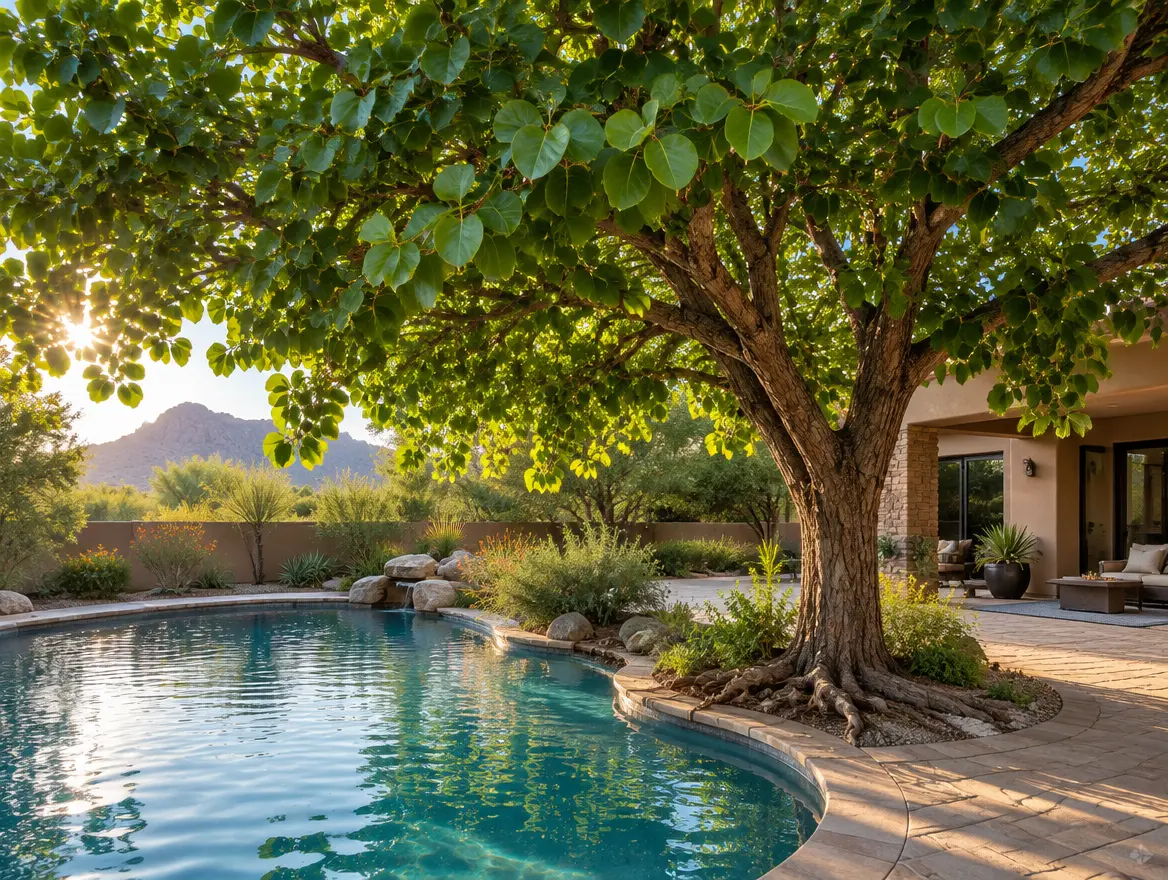
Large sissoo tree shading a backyard pool in Arizona

Tree Care Guide

Should I Remove My Sissoo Tree? Sissoo Roots, Pools and Pipes

The short answerA sissoo tree is worth removing in East Valley yards when it is planted close to a pool, foundation, sidewalk or sewer line, or when its roots are already lifting hardscape or sending up sprouts. Sissoo roots spread wide and resprout readily, so a healthy sissoo with plenty of open space can often stay with good management.

Do sissoo tree roots damage pools, pipes and foundations?

Short answerSissoo roots grow wide and fairly shallow, and they can lift concrete and pavers. The University of Arizona Campus Arboretum notes that sissoo roots can lift cement or damage a structure's foundations and recommends against planting close to sidewalks or buildings. Roots also exploit leaks in older pipes rather than typically cracking sound ones.

Sissoo (Dalbergia sissoo) became popular across Gilbert, Mesa, Chandler and Queen Creek because it grows fast and gives quick, bright green shade. That vigor is the same reason it causes trouble in small lots.

What we commonly see

  • Pool decks and coping: roots lifting or cracking decking, especially where the tree was planted in a narrow planter beside the pool.
  • Block walls and patios: heaving pavers, cracked slabs and leaning wall sections.
  • Irrigation and plumbing: roots crowding drip lines and finding their way into cracked or leaking sewer and water pipes.
  • Turf and beds: surface roots competing with lawns and plantings.

A cautious note: roots usually exploit an existing weakness in a pipe, such as a loose joint or leak, rather than breaking intact pipe on their own. If you suspect a plumbing problem, have a plumber scope the line. That tells you whether roots are the cause or just a symptom.

Why do sissoo trees keep sprouting from the roots?

Short answerRoot sprouting is a natural trait of sissoo. The University of Arizona Campus Arboretum notes that its roots regularly produce sprouts. Sprouts often appear in lawns, gravel and planters, sometimes well away from the trunk, and they tend to increase after a sissoo is cut down or its roots are damaged.

Some homeowners remove a sissoo themselves and then find dozens of new shoots across the yard. That is a common outcome. When the top of the tree is removed, the root system still holds stored energy, and it pushes out new shoots wherever it can.

Managing sprouts

  • Clip or pull sprouts while they are small, and keep at it. Persistence wears the root system down over time.
  • Avoid tilling or trenching through the root zone, which can trigger more sprouting.
  • After removal, a stump treatment applied right after cutting can greatly reduce resprouting. Any herbicide use should follow the product label exactly and be done by a qualified, properly credentialed applicator where required.
  • Grinding the stump helps, but it does not remove the lateral roots, so some sprouting may still follow. See our stump grinding page for what to expect.

Plan for a season or two of follow-up. Sissoo rarely goes quietly.

When should a sissoo tree stay, and when should it go?

Short answerA sissoo can usually stay if it has room to spread, is not close to a pool, house or sewer line, and is structurally sound. Removal makes more sense when roots are already damaging hardscape, the tree is crowded against a structure, it has major cracks or decay, or ongoing repairs cost more than the shade is worth.
Lean toward keeping itLean toward removing it
Open yard with room for roots and canopyPlanted within a few feet of a pool, house, wall or driveway
No lifting of nearby concreteCracked decking, heaving pavers or a leaning wall
Sound trunk and branch unionsSplits, decay or large dead sections
Manageable sproutingConstant sprouts in lawn, beds and the neighbor's yard
Valued shade with no realistic replacement soonPlans to remodel, add a pool or rework hardscape nearby

Many sissoo trees in the East Valley were planted when they were small and cute, in spaces that cannot hold a mature tree. Removing one is not a failure; it is often the right fit for the yard. Before deciding, check whether your HOA requires approval for tree removal or replacement. Rules vary by community, so confirm with your HOA directly.

How is a sissoo tree removed safely?

Short answerLarge sissoo trees are usually taken down in sections, especially near pools, walls and roofs, so limbs can be lowered with control rather than dropped. The stump is then ground below grade, and the area is cleaned up. Follow-up for root sprouts is planned in advance, since sissoo commonly resprouts after removal.
  1. Assessment and quote. We look at the tree's size, what is underneath it, access through gates and side yards, and whether a pool or wall needs protection.
  2. Sectional takedown. Limbs are cut and lowered in manageable pieces, away from structures.
  3. Stump grinding. The stump is ground below grade. Stump grinding is digging, so buried utilities should be marked through Arizona 811 before work begins.
  4. Cleanup and haul-away. Included in our quotes, with no hidden fees.
  5. Sprout plan. We explain what to expect over the following months and how to keep sprouts in check.

Our dedicated sissoo tree removal page covers the process in more detail, and our tree removal page explains how we handle larger and more complicated jobs.

What should I plant instead of a sissoo?

Short answerChoose a tree sized for the space and planted well away from pools, walls and pipes. Desert-adapted options common in East Valley landscapes include palo verde, ironwood, and thornless mesquite for larger spaces, and smaller desert trees for tight side yards. Check mature size before planting, and give roots room to grow outward.

The best replacement depends on how much space you have and how much shade you want. A few general principles:

  • Right tree, right place. The City of Chandler's storm guidance uses this phrase for good reason. Match mature height and spread to the space, not the nursery container.
  • Distance from hardscape. Plant well back from pools, foundations, walls and sewer lines.
  • Water wisely. Desert-adapted trees on deep, infrequent irrigation tend to develop stronger wood and deeper roots.
  • Local guidance. AMWUA and your city's water conservation office publish low-water plant lists worth checking.

Not sure what will fit? Ask during your free estimate and we will share what we have seen hold up well in nearby yards.

Frequently asked questions

Are sissoo trees bad to have near a pool?
They often are. Sissoo roots spread wide and can lift decking and coping, and the tree drops leaves and pods into the water. The University of Arizona Campus Arboretum advises against planting sissoo close to sidewalks or buildings.
Will sissoo roots break my sewer line?
Roots generally enter pipes through existing cracks, loose joints or leaks rather than breaking sound pipe. If you have recurring slow drains near a sissoo, have a plumber camera the line to confirm the cause.
Why are sissoo sprouts popping up all over my yard?
Sissoo naturally sends up shoots from its roots, and sprouting often increases after the tree is cut or roots are damaged. Clip sprouts consistently while small, and plan for follow-up after any removal.
Does stump grinding stop sissoo sprouts?
Grinding removes the stump below grade but not the spreading lateral roots, so some sprouting can continue. A properly applied stump treatment right after cutting, plus persistent sprout removal, gives the best results.
Do I need HOA approval to remove a sissoo tree?
Many East Valley HOAs require approval to remove or replace front-yard trees, and some require a replacement tree. Rules vary by community, so check your CC&Rs or contact your HOA before scheduling removal.
Can a sissoo tree be trimmed instead of removed?
Yes, if it has room to grow and is not damaging structures. Regular trimming manages size, clearance and wind load. Trimming will not fix root problems, so trees already lifting hardscape usually need a longer-term plan.
How much does it cost to remove a sissoo tree?
Cost depends on the tree's size, access, nearby structures and stump grinding. A sissoo removal really needs to be seen on site for a proper estimate, and the written quote comes before work begins.

Sources & further reading

Free estimate

Ready for trees that look cared for?

Tell us what you need and Dale will give you an honest, written quote with no pressure and no hidden fees.

480-779-4349

Request your estimate

Takes about 60 seconds. Dale replies within 15 minutes to 24 hours.

What do you need?
Timeline

Prefer to talk? Call or text 480-779-4349

Call DaleFree Estimate